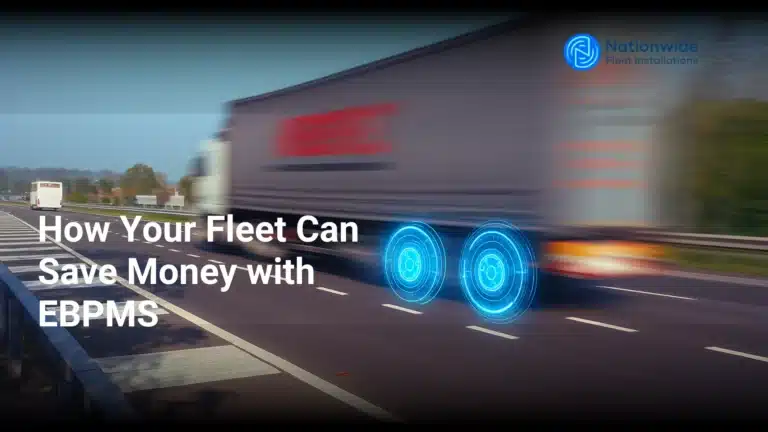
Unplugged telematics devices: why they happen and how to reduce disconnections
Unplugged telematics devices are a problem across fleet operations. When a device is disconnected, it can stop sending data back to your fleet management or telematics platform, leaving gaps in the information you rely on to manage your vehicles. For fleet managers, operators and telematics suppliers supporting customers, these gaps can undermine the fleet management…

Unplugged telematics devices are a problem across fleet operations. When a device is disconnected, it can stop sending data back to your fleet management or telematics platform, leaving gaps in the information you rely on to manage your vehicles. For fleet managers, operators and telematics suppliers supporting customers, these gaps can undermine the fleet management strategy the technology was fitted to support.
Understanding why devices become disconnected, how they are installed and what support is available afterwards can help reduce the problem.
Why do telematics devices become disconnected?
Telematics devices can become disconnected through the normal demands of vehicle operations, including vibration, day-to-day wear and tear, or equipment being knocked as different people enter and exit the vehicle. A vehicle may also go in for a service, where a mechanic disconnects a device while carrying out checks and forgets to reconnect it or restore the installation to its original condition.
In other cases, drivers may deliberately disconnect telematics devices; you only have to look at Transport forums and platforms like Reddit to see the number of discussions around unplugging telematics units. This is usually due to fears of surveillance, privacy and monitoring.
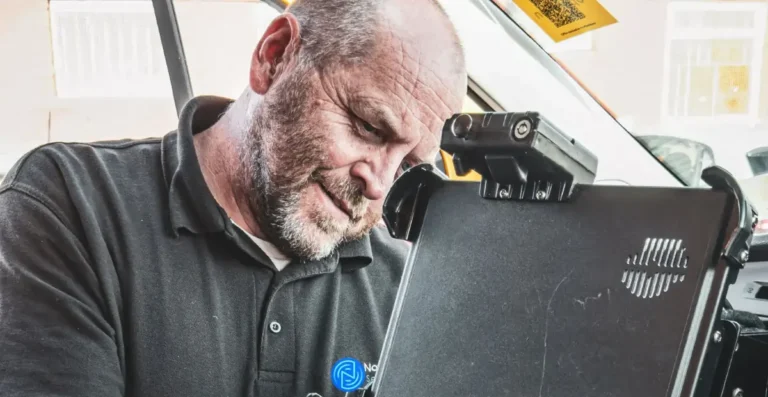
Telematics
Fleet telematics installation company for operators, fleet management companies and telematics suppliers.…
See how we install itThis can happen when there are problems with how the technology has been introduced, unclear driver communication strategy, particularly if drivers have not been told what the device does or why it is being fitted. They may see it as an intrusion on their privacy, or they may have recently received a penalty or been reprimanded by their line manager and blame the device.
Although the result may be the same, understanding whether a disconnection is accidental or deliberate can help you address the cause.
Help drivers understand your fleet management programme
It is not always possible to prevent drivers from disconnecting telematics devices, but education and driver training can go a long way towards addressing their concerns.
Explaining your fleet management programme, what the devices do and the benefits they offer before they are fitted can help clear up misunderstandings. Giving drivers an opportunity to ask questions also helps them understand how the technology fits into their day-to-day work.
Our technicians can talk to drivers before fitting devices to their vehicles, explaining the installation and helping to reassure them alongside your existing fleet or driver education programmes. This will not prevent every deliberate disconnection, but it can support a better understanding of why the equipment is there.

Use a professional telematics installer
Some fleet operators ask drivers to fit their own telematics devices. Although this may seem like a convenient way of reducing fleet costs, a driver may not have the technical expertise to fit this safely, and a driver who has fitted a device is also likely to know how to disable or disconnect it.
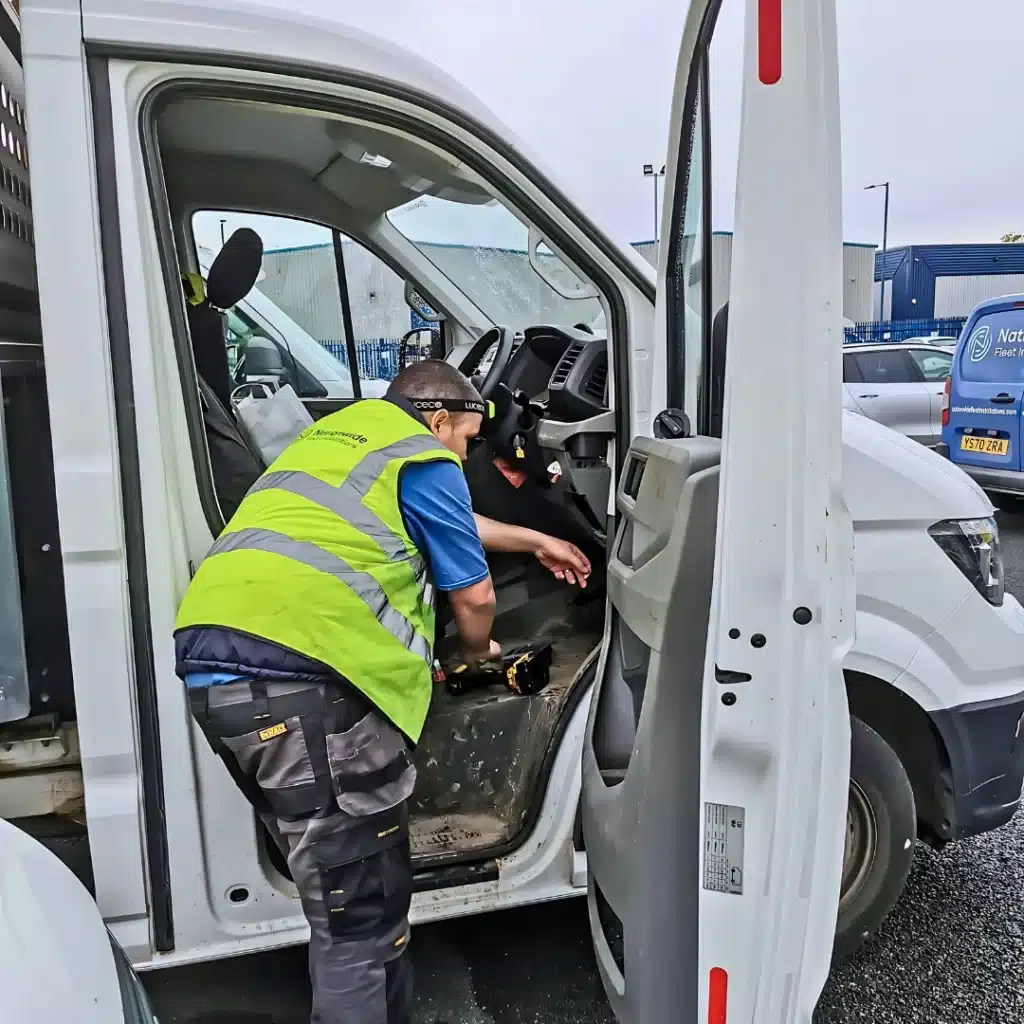
Using a professional telematics installer keeps the installation process separate from the operation of the vehicle. Where the equipment and vehicle are suitable, devices can be hardwired, making them harder to disconnect than a unit that simply plugs into the OBD port. It also means installation is handled by a technician rather than becoming another job for your drivers.
Asking your telematics provider if they have an authorised installer to fit the equipment instead of a driver can help reduce the risk of unnecessary unplugging. The same principle applies: keeping installation separate from the driver’s responsibilities can make it less straightforward for them to remove or disconnect the equipment.
For telematics suppliers, a professional installation partner can also manage this work on behalf of your customers.
Consider discreet installations and device location
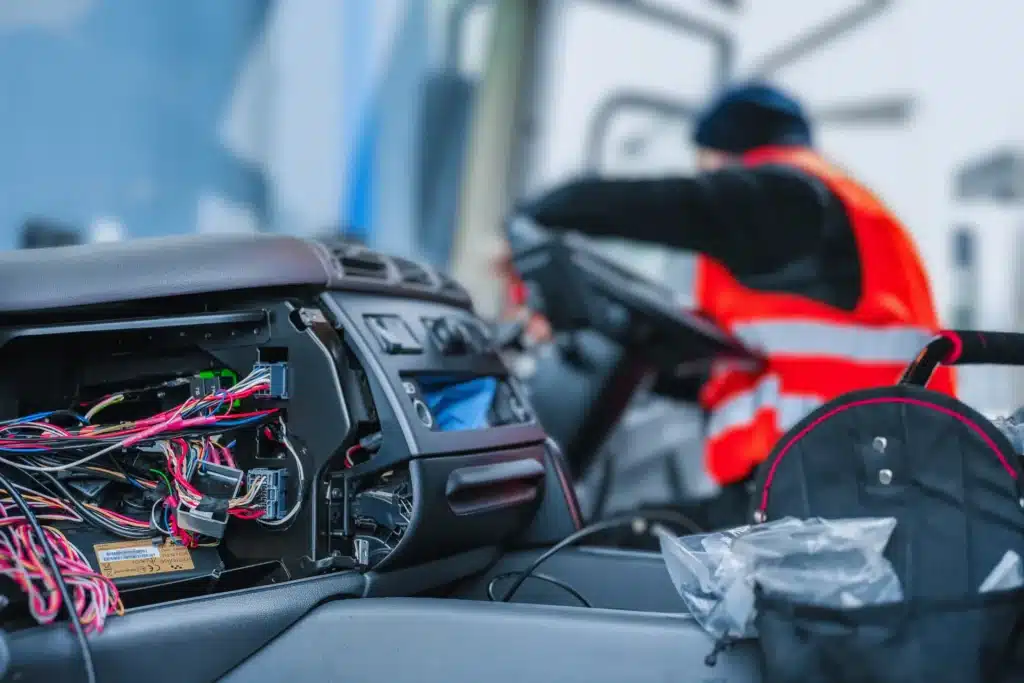
Discreet installations can help reduce the risk of disconnection by keeping GPS fleet tracking devices, other telematics equipment and sensors out of sight. This should work alongside clear communication with drivers about the technology being fitted and its purpose.
Installation location is another factor that can be overlooked. Where a device is fitted can affect how easily it is knocked, disturbed or deliberately removed. Depending on the vehicle and the equipment, fitting devices away from areas that drivers regularly access, or in locations that are less readily accessible, can help reduce both accidental and intentional disconnections. Your installation partner should be able to support you in choosing a suitable location.
Monitor device health and plan for servicing and maintenance
Even with driver education and professional installation, some devices will still become disconnected during fleet operations. Telematics suppliers have made progress in addressing this issue, with some providers offering device health checks and system checks that alert fleet managers when equipment becomes disconnected or data is no longer being received. These alerts can help you identify a problem, but you also need a way to get the equipment working again.
It is therefore worth checking whether your telematics partner or installer includes telematics servicing and maintenance as part of their offering. This matters whether you manage a fleet directly or supply telematics equipment to customers who depend on it.
At Nationwide Fleet Installations, if equipment becomes damaged or disconnected while a vehicle is in service, our technicians can come out to reconnect it, replace the device or carry out minor repairs where possible. Having that support available helps you respond when a disconnection does occur and restore the flow of data to your fleet management system.
Need help with telematics installations or disconnected devices?
If you are struggling to fit telematics devices across your fleet, arranging installations on behalf of your customers or experiencing a high rate of unplugged devices, please get in touch with Nationwide Fleet Installations.
You can book a quick consultation with our team to discuss your installation arrangements, the problems you are experiencing and how we can help.

Written by
Samantha Smith
Samantha Smith is the Managing Director of Nationwide Fleet Installations, a trusted vehicle technology installation provider headquartered in the North West and operating across the UK. After working in finance, she has spent more than 20 years in vehicle technology installation as an Operations Director and Finance Manager, with experience covering dash cams, trackers, black boxes, CCTV and blue light systems on vans, trucks and buses for customers including defence and emergency service fleets. Samantha was appointed Managing Director in May 2026 and leads the business with a focus on strengthening operations, expanding its capabilities and raising the standard of installation service for fleet operators and technology providers.
Telematics
Fleet telematics installation company for operators, fleet management companies and telematics suppliers.…
See how we install itGet In Touch
We provide fleet operators and equipment providers alike with a nationwide installation service for telematics equipment, safety systems, and more. Call us on 0161 786 6600 or email the team at info@nationwidefleetinstallations.com to see what we can do for you.