

Home › Installation › Fleet Vehicle Safety › Blind Spot Cameras
Blind Spot Camera Installation for Commercial Fleets
UK-wide, professional fitting of blind spot and side-view camera systems for commercial vehicles. Working with fleet operators and hardware suppliers to ensure reliability, correct integration, and enhanced visibility for drivers.
Trusted by fleet managers & vehicle technology suppliers across the UK


















Why choose Nationwide Fleet Installations for blind spot camera installation?
Blind spot cameras can significantly improve safety, but only if they’re installed, positioned, and calibrated correctly.
- Nationwide installation coverage
- Installation of a wide variety of side view camera systems
- Integration with DVRs and existing camera systems
- Professional, tested installations
- Supporting fleets from 5 vehicles to 500+
- Project management for timely delivery within budget
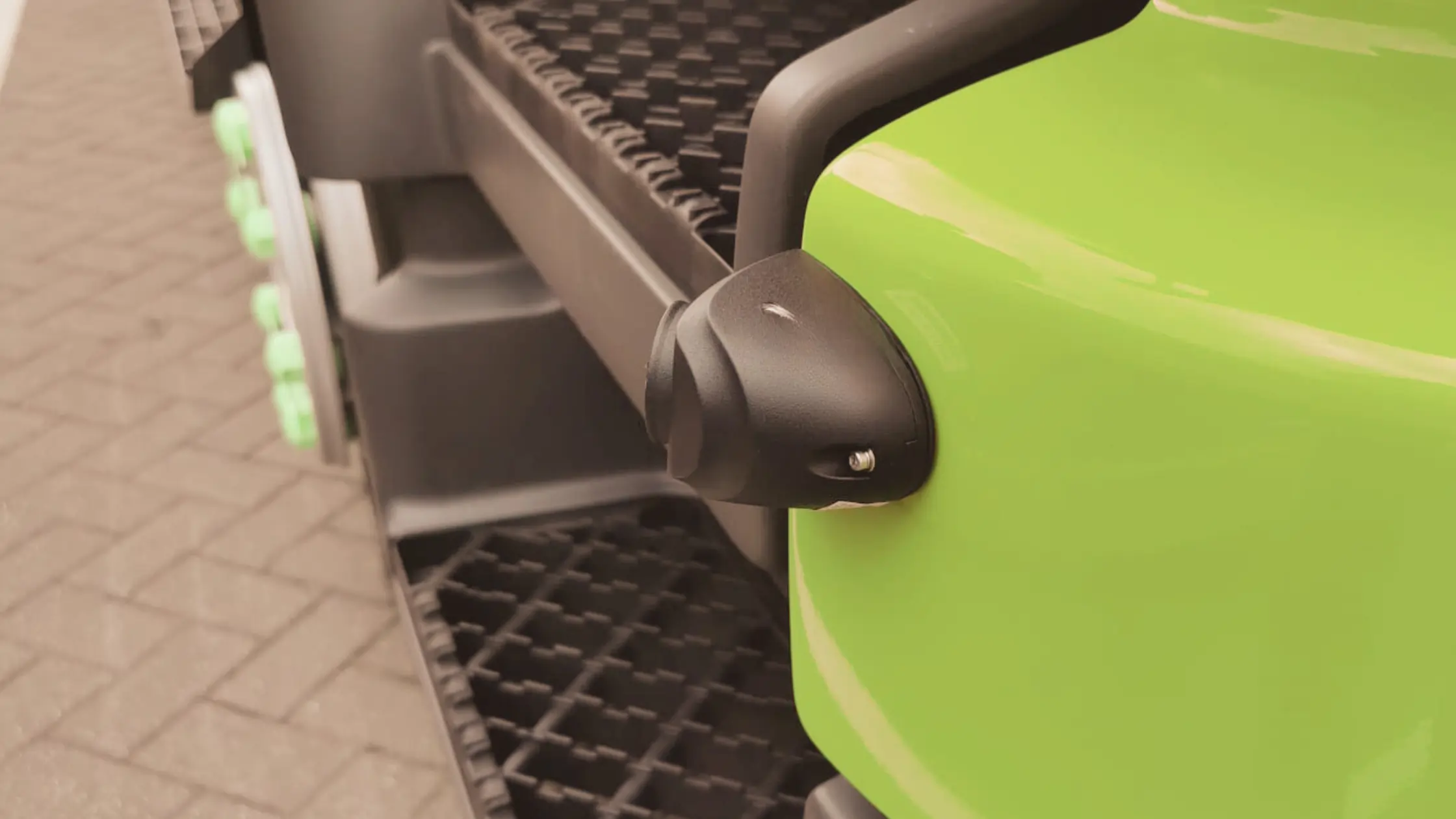
Trusted By Fleets and Blind Spot Camera Suppliers
LVS Camera Install – fast and efficient LVS camera install, at our site. Friendly and professional team, work completed in a neat and tidy manner, we would use you again
GPeter WattsJosh Campbell has done an outstanding job fitting camera systems to a wide variety of vehicles we have in our fleet, often going out of his way to accomodate our needs. All work has been carried out to a very high standard and he was a pleasure to deal with.
GRyan LogueJosh was in for camera repairs on my truck and carried out the work professionally and efficiently
GG Man RonaldWhat are blind spot cameras?
Blind spot cameras are camera systems used primarily on large commercial vehicles to increase visibility in areas the driver cannot easily see. These blind spots are common on vehicles such as HGVs, recovery vehicles, and coaches.
They are also known as side view cameras and can be installed as:
- Standalone camera systems
- Part of a full vehicle CCTV system
- Integrated into a video telematics setup
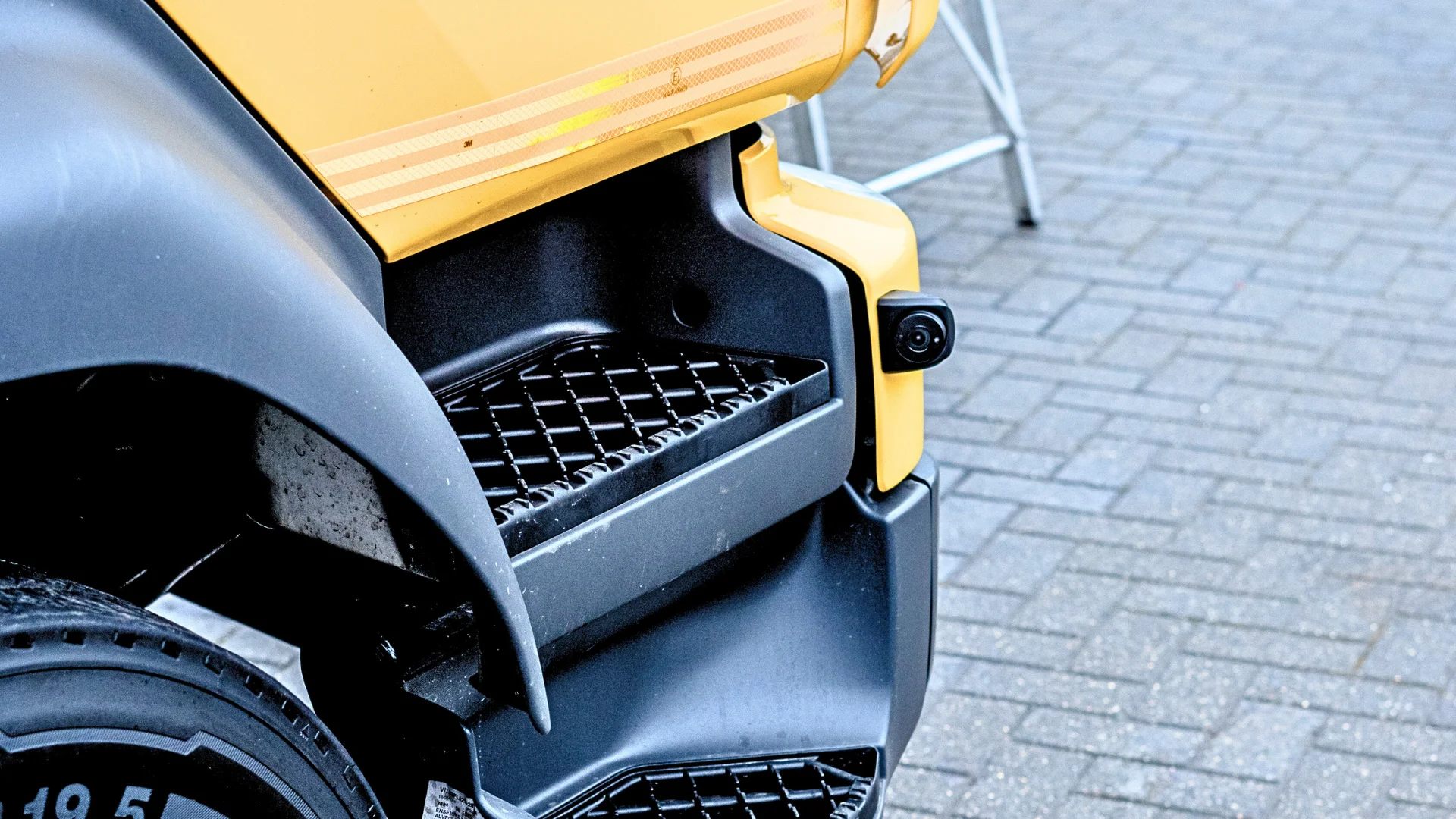
Improve Driver Visibility & reduce blind spots
Unlike other fleet camera technology installed mainly for insurance, remote view or incident protection, blind spot cameras are one of the few camera systems that are used in real time and directly benefit the driver. Drivers actively use them day-to-day to improve awareness and visibility while driving.
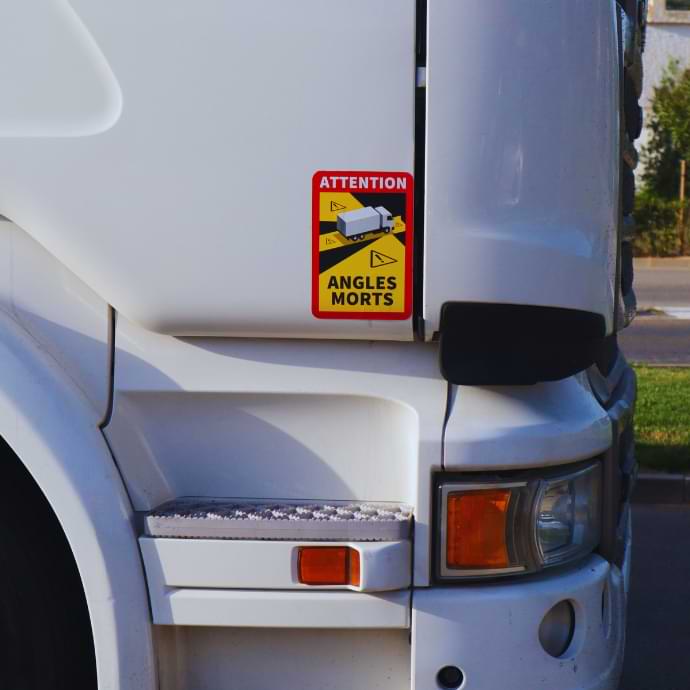
Side View Cameras With An Easy Installation Plan
Don’t hesitate to reach out to us to schedule a consultation and discover how our expert team can help you with professional blind spot camera installations
01
Get In Touch
Get in touch with us with your query, installation requirements or concerns
02
Confirm Your Booking
We will create a custom project plan with minimal disruption to your operations.
03
Installation day
We will schedule installation with your nominated contact without your further input.
Why blind spot cameras are important
Many vehicle accidents occur in blind spots where drivers cannot see around their vehicle due to vehicle design, traffic conditions, and the size of surrounding vehicles.
Manoeuvres such as:
- Turning
- Overtaking
- Reversing
can be particularly dangerous without proper visibility.
Installing blind spot cameras gives drivers enhanced visibility during these manoeuvres.
This helps them identify vulnerable road users (VRUs) such as pedestrians and cyclists, as well as other vehicles travelling in blind spots. The result is safer driving and reduced accident risk.

Where blind spot cameras are installed
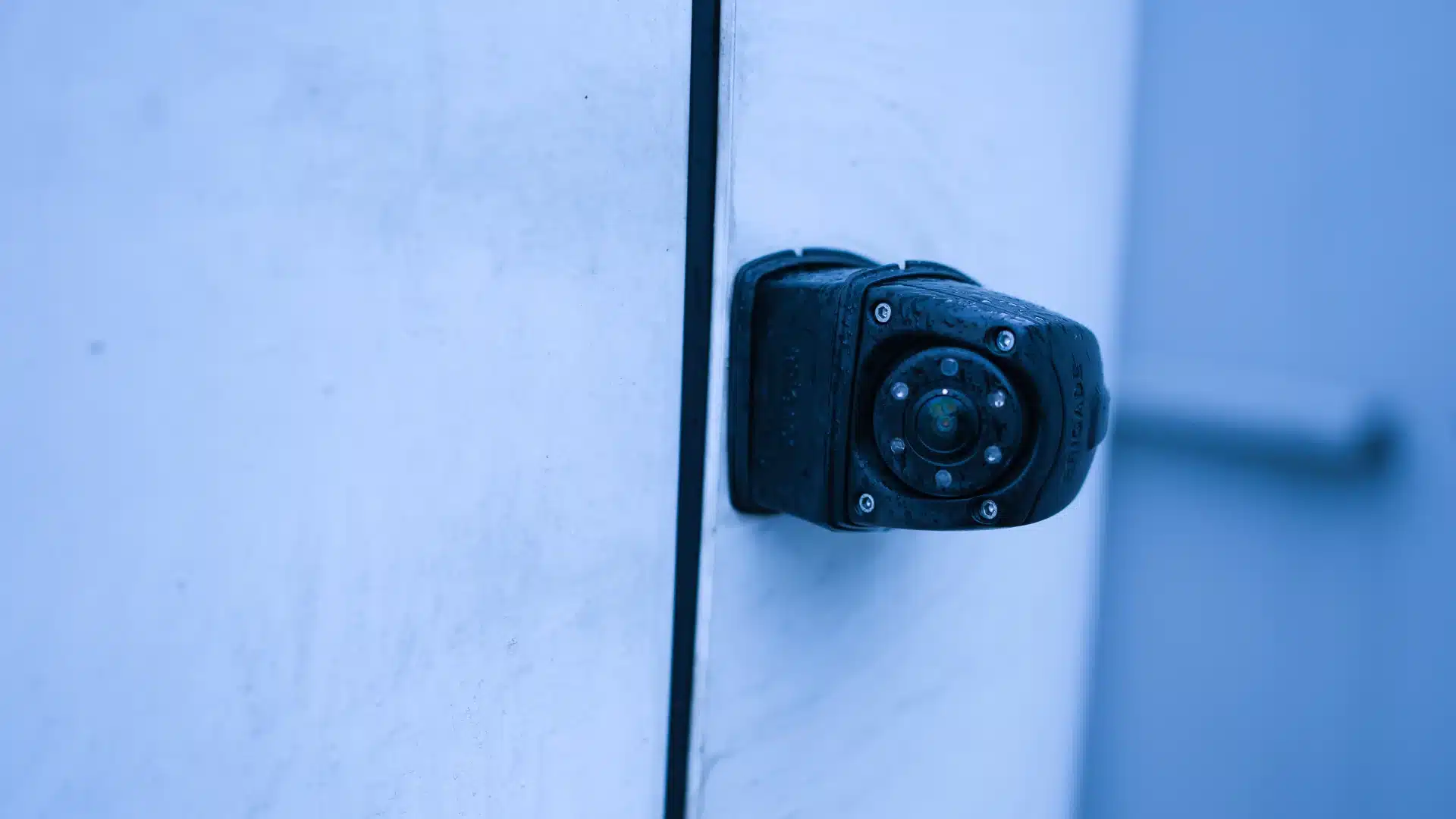
Blind spot cameras are normally installed on the side of the vehicle, most commonly on the nearside (left side), facing backwards. This allows the driver to see the full length of the vehicle and clearly view the blind spot area.
The cameras are wired into a camera monitor system, giving the driver a clear, real-time visual of what is happening alongside the vehicle. They can also be connected into a digital video recorder, CCTV system or video telematics system.
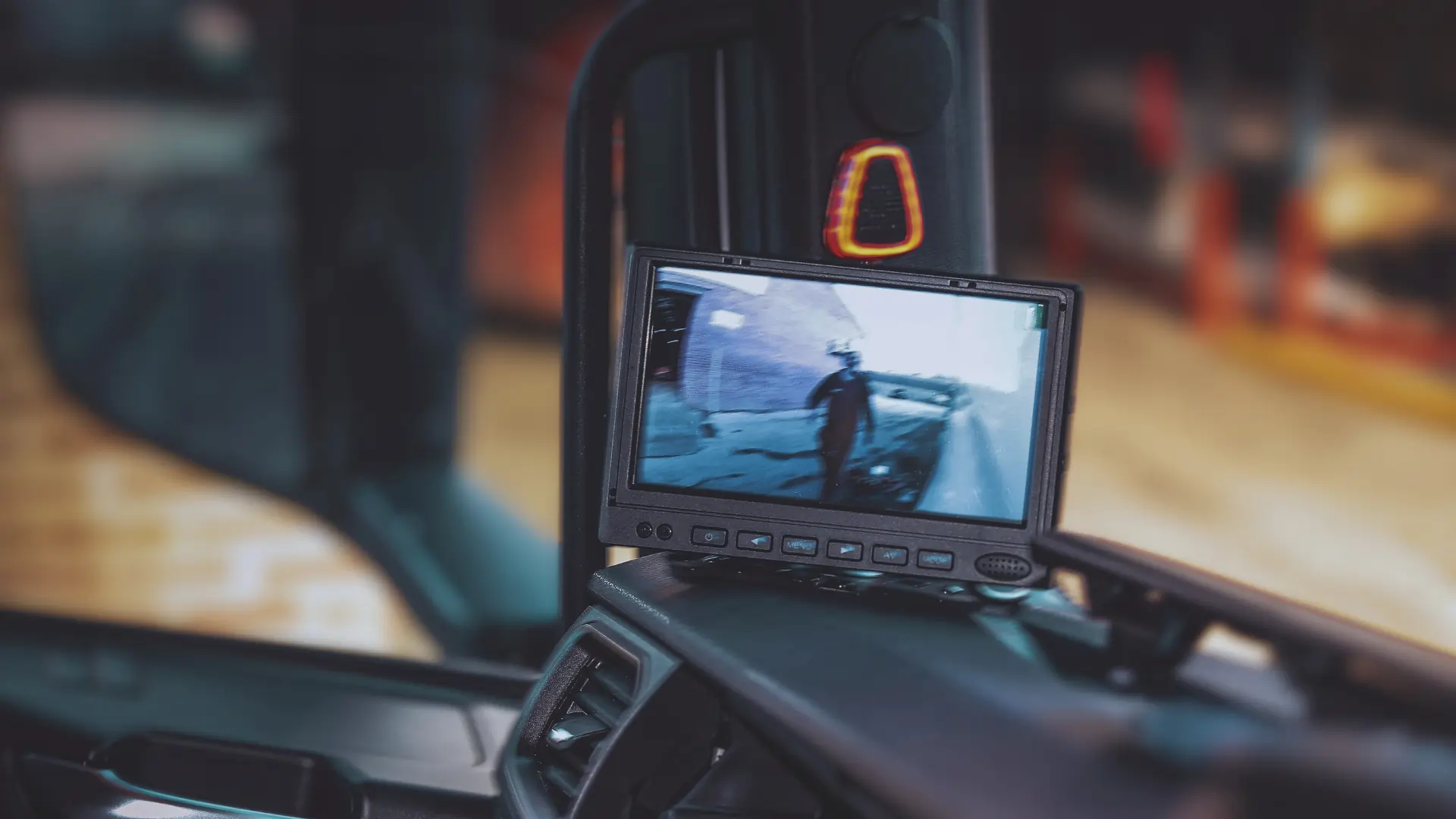
What Nationwide Fleet Installations Can Do For You
We have been fitting road safety technology into fleet vehicles for over 30 years and have installed thousands of blind spot cameras for customers across the UK. This is what you can expect from us:
Blind Spot Camera Installation
If you are fitting cameras across multiple vehicles, we work with your team to plan the installation properly, that includes vehicle types, dates, locations, and schedules. Once agreed, we handle the installs and coordinate everything around your operation to keep downtime to a minimum.
If vehicles are not ready at the same time, we can securely store your camera systems at our facility and install them when each vehicle becomes available.
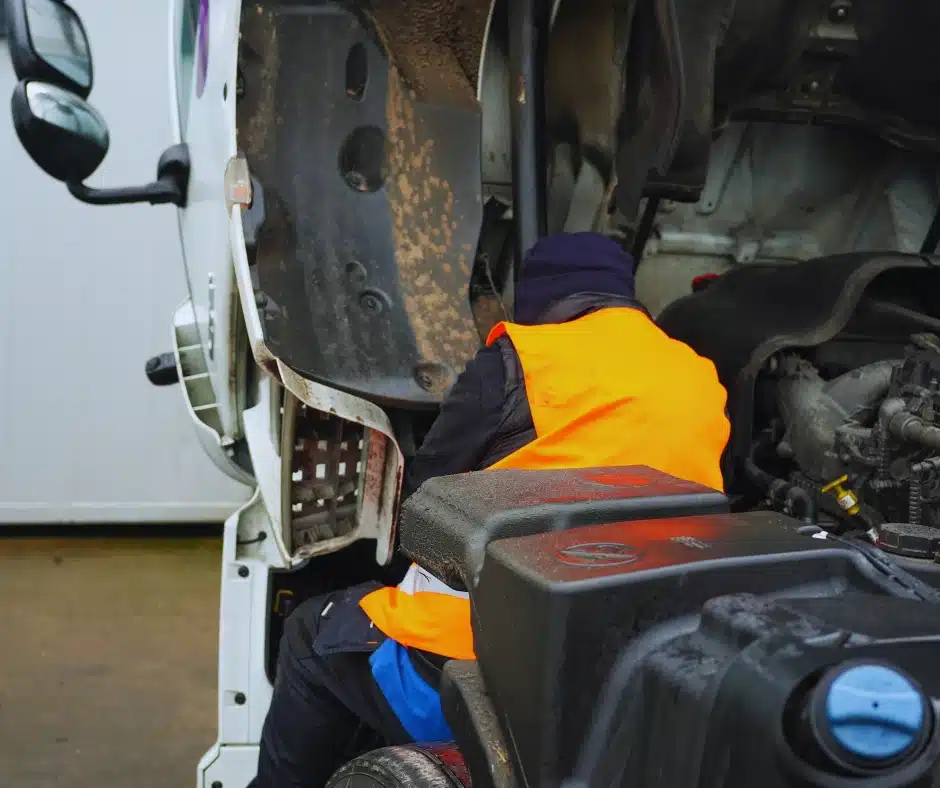
Side-view camera Maintenance
Side-view camera systems are safety-critical and need to work every time the vehicle is on the road.
We provide ongoing maintenance and servicing for side-view camera systems across your fleet, helping ensure clear images, correct alignment, and reliable operation throughout their working life.

Removal and Replacement
Due to their position on a vehicle, its not uncommon for blind spot cameras to get damaged in service. If a camera, monitor, or cable is damaged or fails, our engineers can diagnose the issue and carry out repairs or replacements quickly, helping get the vehicle back into service with minimal disruption.
Where vehicles are decommissioned but the side-view camera system is still serviceable, we can professionally remove the equipment and prepare it for re-installation on another vehicle. This allows you to keep using proven safety technology rather than replacing it unnecessarily.
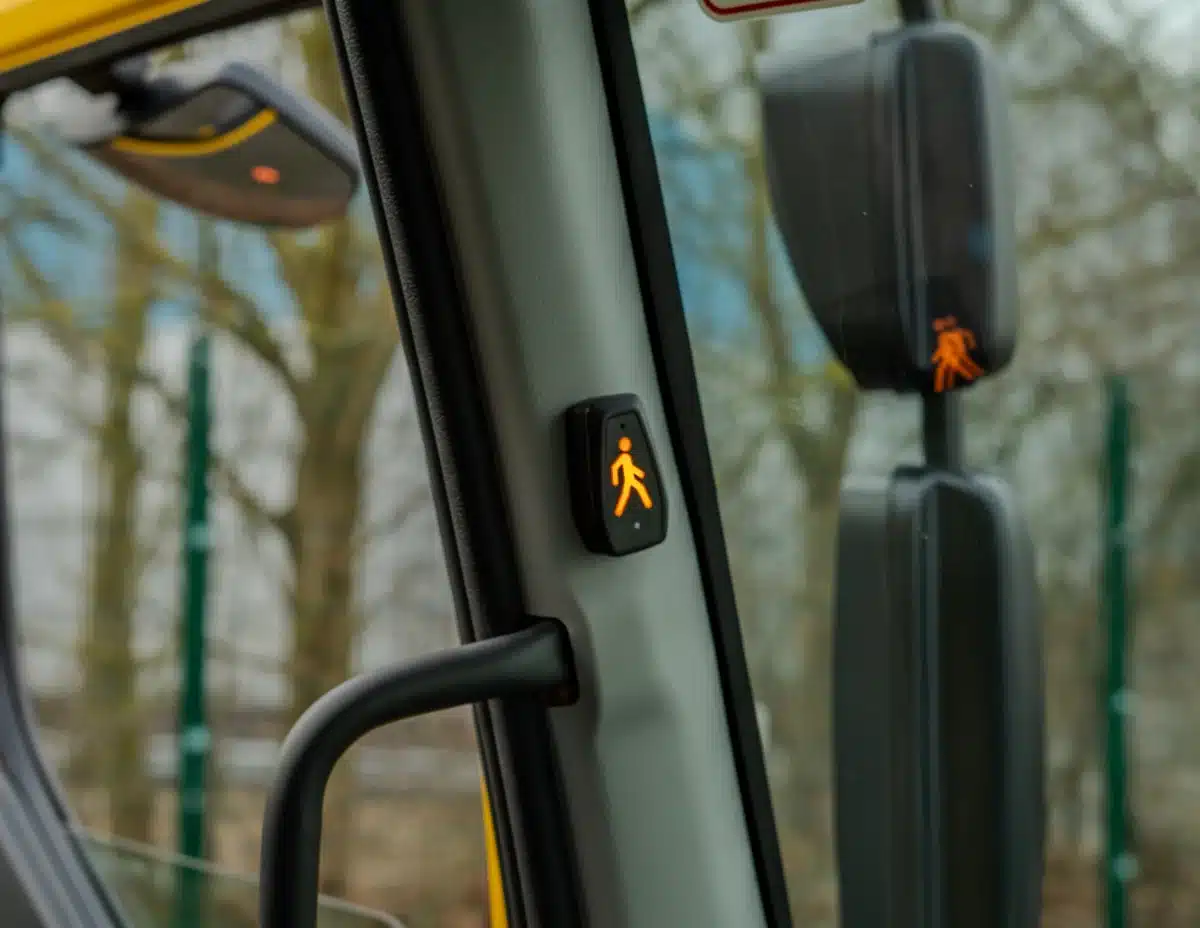
A key part of the DVS Progressive Safe System
Side‑view cameras and nearside sensors are used on HGVs to support compliance with London’s Direct Vision Standard (DVS) under the new Progressive Safe System (PSS). The Blind Spot Information System (BSIS) must give full coverage down the nearside of the vehicle to detect vulnerable road users such as cyclists and pedestrians, helping to prevent left‑turn collisions.
The system is designed to minimise false alerts from roadside furniture or stationary vehicles, while reliably alerting the driver when moving vulnerable road users are in the defined nearside danger zone.
Side‑view cameras form part of this compliant nearside Camera Monitoring System and BSIS package.
Compatibility with other vehicle safety technologies
Side view cameras are designed to work alongside other vehicle safety technologies to maximise overall functionality.
They typically integrate with:
- Camera monitor systems, allowing drivers to see blind spot activity
- Warning systems such as left-turn audible alerts, activated when the vehicle indicates left
- Sensor systems that detect objects or people within the vehicle’s blind spot
Blind spot cameras are also a valuable addition to 360° camera systems, providing side coverage that front and rear cameras cannot. They help reduce accidents and lower the frequency of incidents involving people and vehicles in blind spot areas.
Retrofitted Blind Spot Cameras, Installed to a Factory Standard
Not all commercial vehicles are supplied with blind spot or side view cameras as standard. As a result, many operators hesitate to add them later, worried that aftermarket installation could damage the vehicle, take too long, cause compatibility issues, or look untidy.
This is exactly why professional installation matters.
We’ve been installing blind spot and side view camera systems for commercial fleets for many years. Our installations are carried out to a factory-fit standard, integrating cleanly with the vehicle and existing systems so the finished result looks like it was fitted from new.
Not sure if we can install your technology?
If you’re unsure if we can assist with your specific needs, please don’t hesitate to send us a message. One of our senior technicians will be happy to chat with you and see if we can help.
Frequently Asked Questions
Here are the most popular questions customers ask about blind spot cameras and fitting them to vehicles.
What vehicles can you install blind spot cameras on?
Blind spot cameras are commonly installed on large commercial vehicles such as:
- HGVs
- Emergency vehicles (including fire appliances)
- Coaches
- Recovery vehicles
However, we can install this technology on all vehicle types. Please get in touch for more information on fitting these to your fleet.
Do I need to bring my vehicles to you?
There is no need to move your vehicles for this service, we provide a fully mobile installation service supported by our nationwide team of installers. Our engineers often work at depots, build centres and distribution centres. We do this in a way that doesn’t disrupt your operations.
I supply blind spot cameras; can you install them?
Yes. If you supply camera technology such as side view cameras, whether you are a hardware manufacturer or telematics provider, we can install your products into customer vehicles across the UK.
We regularly work as an extension of our clients’ teams, supporting nationwide rollouts and fleet deployments. Please contact us for more information.
Why are blind spot (side view) cameras important for reducing left-turn collisions?
Left-turn collisions are one of the most common and serious risks involving large commercial vehicles, particularly HGVs. They typically occur due to a combination of vehicle blind spots, vehicle design, complex junction layouts, and conflicting movements between lorries and vulnerable road users such as cyclists and pedestrians.
A review of fatal HGV–cyclist collisions by RoSPA found that around 52% of fatal incidents involved the vehicle turning left across the cyclist’s path. In many cases, the driver was unaware the cyclist was alongside the vehicle.
Side view (blind spot) cameras give drivers direct visibility down the nearside of the vehicle during left-turn manoeuvres, helping them identify vulnerable road users who would otherwise be hidden from view and reducing the risk of left-turn collisions.
Why are blind spot cameras important for people–plant interface (PPI) risks?
People–plant interface (PPI) is recognised as one of the most serious fatal risks on UK construction and work sites. It refers to situations where workers or members of the public are in close proximity to moving plant and vehicles such as dumpers, excavators, telehandlers, and HGVs.
In the UK, being struck by a moving vehicle accounts for a significant proportion of workplace fatalities. In 2020/21, this category represented around 18% of all fatal workplace injuries, and that proportion has remained broadly consistent in recent years, according to Health and Safety Executive data.
When used as part of a wider site vehicle safety programme, blind spot cameras help reduce the risk of these incidents by improving driver visibility around the vehicle, particularly in areas where workers and vehicles operate in close proximity.
Construction companies and contractors that have introduced all-round visibility camera standards report greater control over operations involving close plant–people interaction, adopting camera systems specifically to reduce the risk of accidental contact between vehicles and people.
Get In Touch
For blind spot camera installations you can rely on in the UK and around the world, contact Nationwide Fleet Installations today.
Call us on 0161 786 6600 or email the team at info@nationwidefleetinstallations.com and one of our team will get back to you.