
How Real-Time Vehicle Camera Alerts Save Time, Reduce Risk, and Improve Fleet Safety
By the time a near-miss makes it into your weekly report, the moment to act has already passed. Real-time camera alerts change that by giving fleet managers instant visibility of risky driving behaviours, mobile phone use, harsh braking, and other incidents as they happen. In this post, we look at how AI-enabled alert systems are transforming fleet safety management, the practical difference between reactive and proactive oversight, and how getting your camera hardware installed correctly from day one determines how well those alerts actually perform.

James Pearson
/
/
Time to read:
When managing commercial vehicles, incidents, near misses, and risky driving behaviours cost fleets time long before they lead to an insurance claim. Transport managers are not just looking for video evidence, lower premiums, or peace of mind; they need to identify issues early and fix them before they turn into accidents.
That is where instant alerts from vehicle camera technology come in. By notifying fleets as soon as risky driving or an incident is detected, these alerts reduce the time it takes to respond to incidents, support drivers, and notify insurers. This saves valuable time, limits disruption, and helps reduce the risk of minor issues escalating into serious collisions.
Real-time alerts allow you to:
Get notified if there is a problem
Some camera systems can notify you in the unfortunate event that your vehicle is involved in an accident, together with details of the location and access to video footage. Instant alerts allow you to check on driver wellbeing and notify relevant authorities, as well as insurance companies.
For fleets, this is important. Data from Driving for Better Business, states that late reporting of First Notification of Loss (FNOL) can increase total claim costs by over £5,000. Insurance industry data also shows that reports made later than 24 hours after an accident will often result in slower repairs and increased vehicle downtime.
We can also consider the compounding damage that slower reporting can cause, such as damage to your brand image, less time to address disruption to operations, slower updates to customers, and leaving drivers without timely support.
Therefore, fleet cameras with instant alerts can significantly improve the First Notification of Loss (FNOL) process by providing immediate, objective, and detailed evidence of an incident.
eFNOL (Electronic First Notice of Loss) can reduce fleet costs mainly by speeding up and improving the accuracy of accident reporting and claims handling. When incidents are reported digitally and immediately, insurers and fleet managers can control costs earlier in the claims process.
Identify risk behaviour early
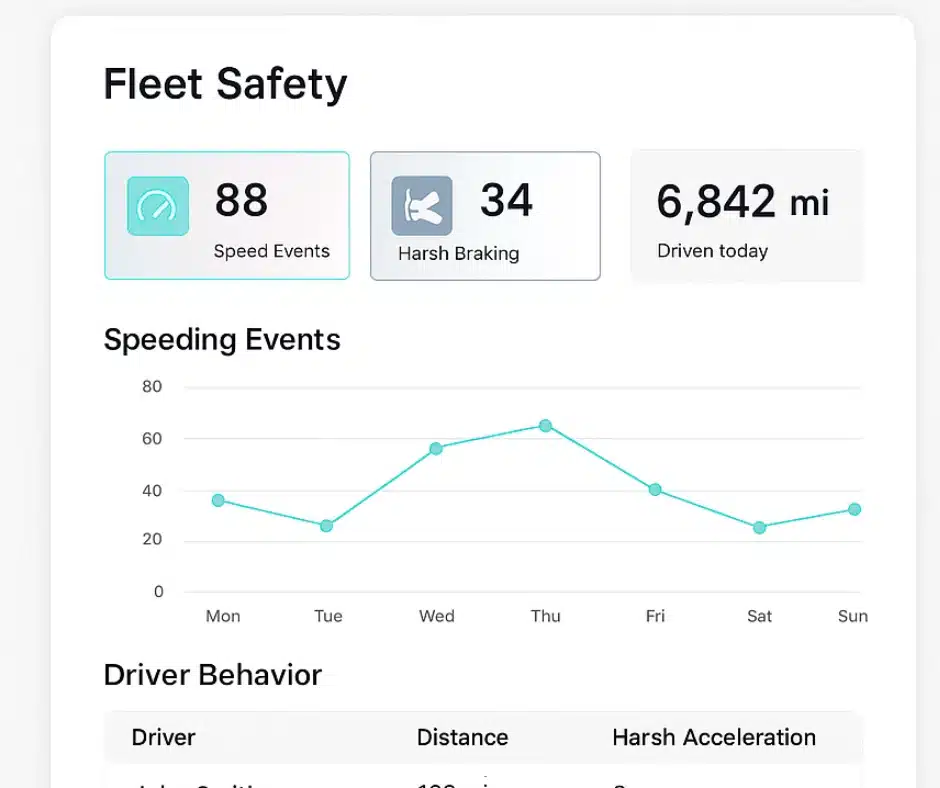
Instant alerts also allow fleet managers to identify risky driving behaviour early, helping to reduce the risk of these behaviours turning into accidents. For example, if a driver is repeatedly exceeding the speed limit, instant alerts will flag this to the fleet manager. This allows managers to set clear expectations with drivers, ensure policies are understood, and implement targeted education.
Implement driver coaching
Video telematics and camera systems can record unsafe driving events, which are stored and accessible for driver coaching and education. This allows operators to highlight incidents of risky driving using video evidence, support their drivers, and encourage safer driving habits, ultimately reducing the risk of collisions.
What can you be alerted about?
Depending on the camera system or video telematics solution you choose, a wide range of driver and safety alerts may be available.
Types of Alerts
You can access a broad suite of configurable alerts that support safer driving, incident reduction and smoother fleet operations. These include:
Drowsiness and tired driving
Commercial drivers face an increased risk from tiredness and fatigue, as they often spend long hours behind the wheel. One common symptom is drowsiness, which is particularly dangerous as it can cause reduced alertness and microsleeps.
Data from Brake shows that 1 in 8 drivers admitted to falling asleep while driving, with 17% of all fatal crashes involving a drowsy driver.
Instant alerts can help detect signs of fatigue, such as yawning and prolonged idleness, and alert the driver in real time. These alerts can also be sent to transport managers. They are made possible by technology such as driver-facing cameras, dual-facing dash cams, and in-cab cameras. In extreme cases, this technology can alert drivers who have fallen asleep, potentially preventing serious crashes.
Lane assistance
Commercial drivers carry out many manoeuvres during a working day, such as turning, reversing, and changing lanes. Lane changes, in particular, carry a higher risk of accidents. AI camera systems can provide alerts when changing lanes and warn drivers of unsafe lane movements.
Collision warning
With instant alerts, drivers can also receive collision warnings. For example, if a dash cam system monitors the speed of the vehicle ahead and measures the distance between vehicles, it can issue an alert when the following distance becomes unsafe. This helps warn drivers of a potential collision and reduces accident risk.
Distracted driving
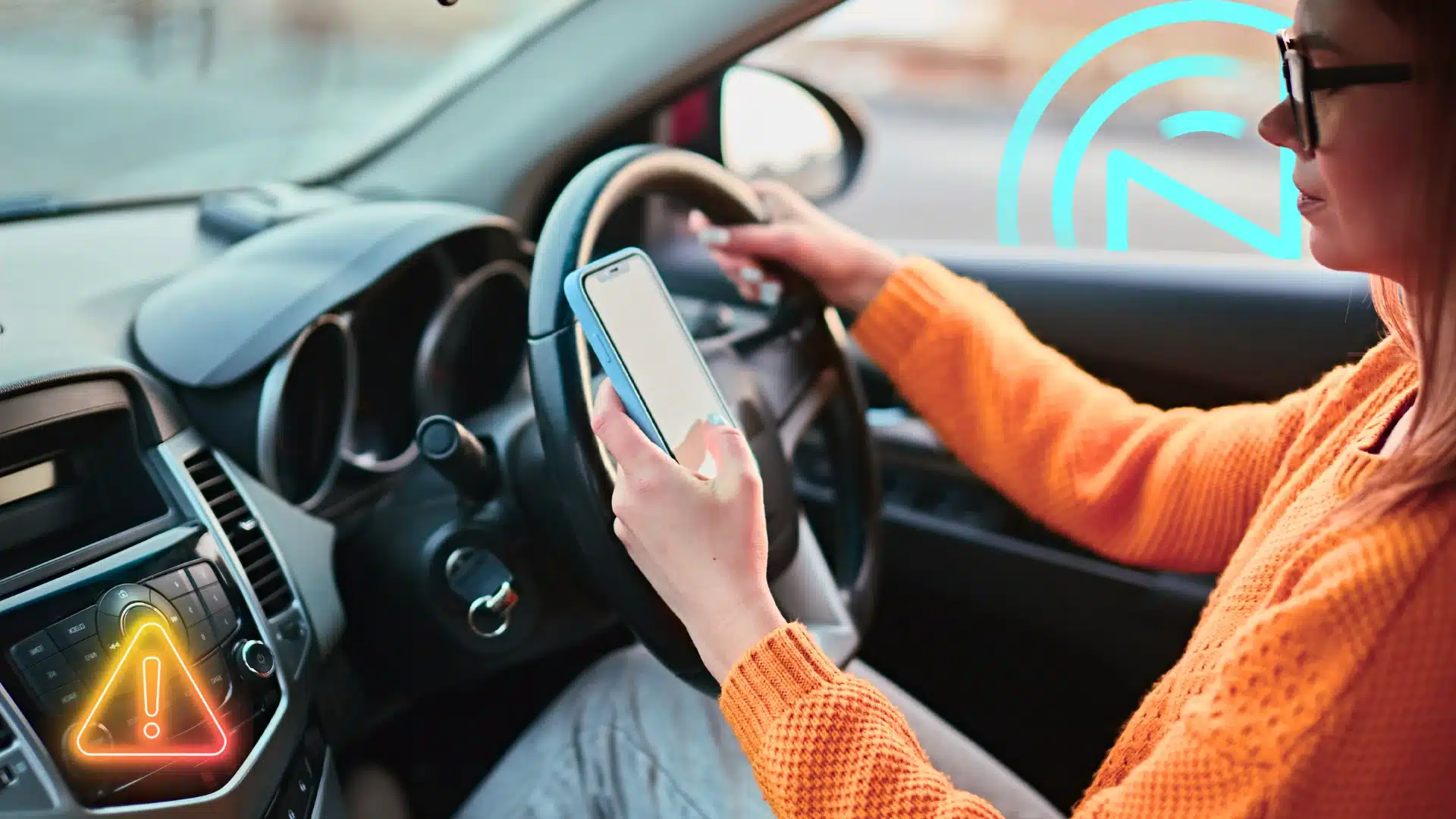
Camera systems can also issue alerts for distracted driving. These alerts notify drivers when they are not looking ahead for prolonged periods, using the radio excessively, or repeatedly looking down at their lap, helping drivers refocus on the road.
Mobile phone usage
Closely linked to distracted driving is mobile phone usage. This is a major issue for fleets. A study by the Department for Transport (DfT) found that van drivers are more than twice as likely to use their mobile phone while driving compared to other drivers.
Mobile phone alerts remind drivers not to use their phone while driving by issuing in-cab warnings, encouraging safer behaviour.
Tailgating
Tailgating is a dangerous driving behaviour that significantly increases collision risk. By law, it is classed as careless driving and can result in a £100 fine and three penalty points, as well as negatively impacting your brand image.
Forward-facing dash cam systems can issue alerts when drivers get too close to the vehicle in front. These events can also be recorded, allowing fleet managers to identify repeat behaviour and implement driver coaching where needed.
Risky driving behaviour
Drivers can also receive alerts for risky driving behaviours such as harsh acceleration, braking, and cornering. These behaviours not only increase fuel consumption but also raise the risk of vehicle damage and accidents. Alerts notify drivers in real time so they can correct their driving, while transport managers receive records that help identify higher-risk drivers.
Vulnerable road users
These alerts notify drivers when vulnerable road users, such as pedestrians and cyclists, are detected around the vehicle. The system issues an in-cab audio alert, giving drivers more time to react and reduce the risk of a collision.
System functionality
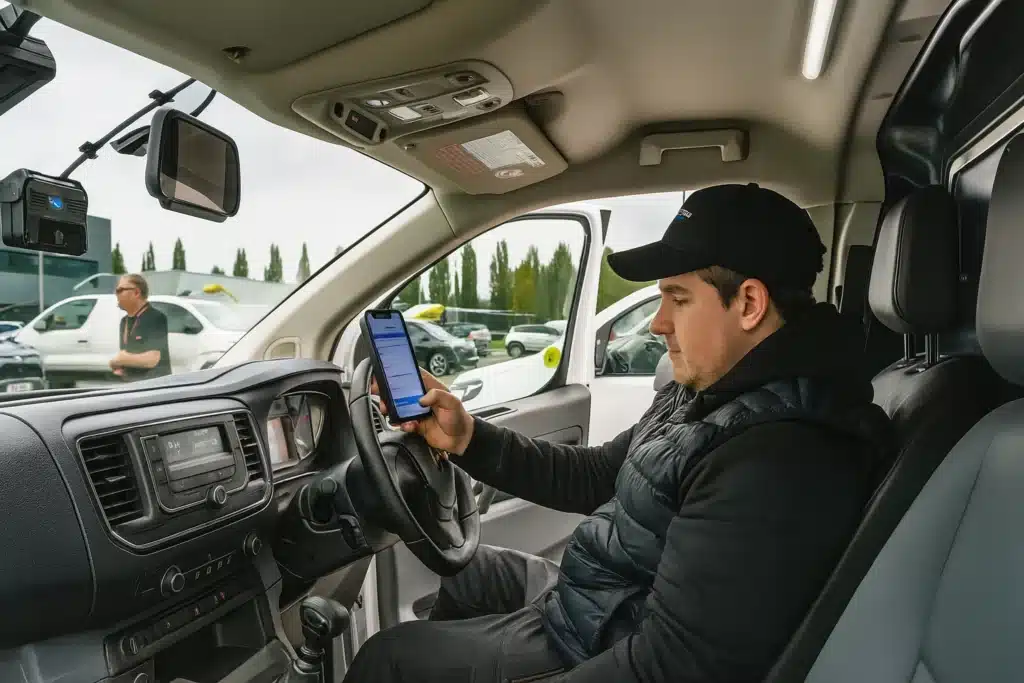
As an installations company, we often see video telematics systems being knocked out of position after installation. It is not always possible for drivers to immediately notice that a camera has moved or is malfunctioning.
Some camera systems perform remote health checks to ensure the system is functioning correctly and issue alerts to drivers or fleet managers if problems are detected. Some systems even notify drivers if a camera moves out of position or if its view becomes blocked, allowing issues to be resolved promptly. This is far better than discovering that your telematics system has experienced failure after an accident has already occurred.
Telematics benefits
Instant alerts highlight the wider benefits of telematics for fleet operators, adding an extra dimension to camera systems. There is often a misconception that telematics exists only to monitor or “spy” on drivers. However, instant alerts show that this technology actively supports drivers and improves safety.
These instant notifications give operators time to resolve issues before they escalate into accidents, demonstrating return on investment and improving overall fleet safety.
Contact us
Get in touch with us for support with installing camera technology into your vehicles or for advice on which camera systems can provide these alerts. Our installation team is always happy to help and advise you.
Get In Touch
We provide fleet operators and equipment providers alike with a nationwide installation service for telematics equipment, safety systems, and more. Call us on 0161 786 6600 or email the team at info@nationwidefleetinstallations.com to see what we can do for you.