How to Fit a Telematics Device
Fitting a telematics device is about much more than just finding a hiding place and picking up a live feed. A poor install can block GPS signals, distort the data and leave you with stop‑start tracking that frustrates both fleet managers and drivers. In this guide, we’ll walk through practical, installer‑level advice on where to mount the unit, how metalwork and brackets can interfere with the built‑in antenna etc
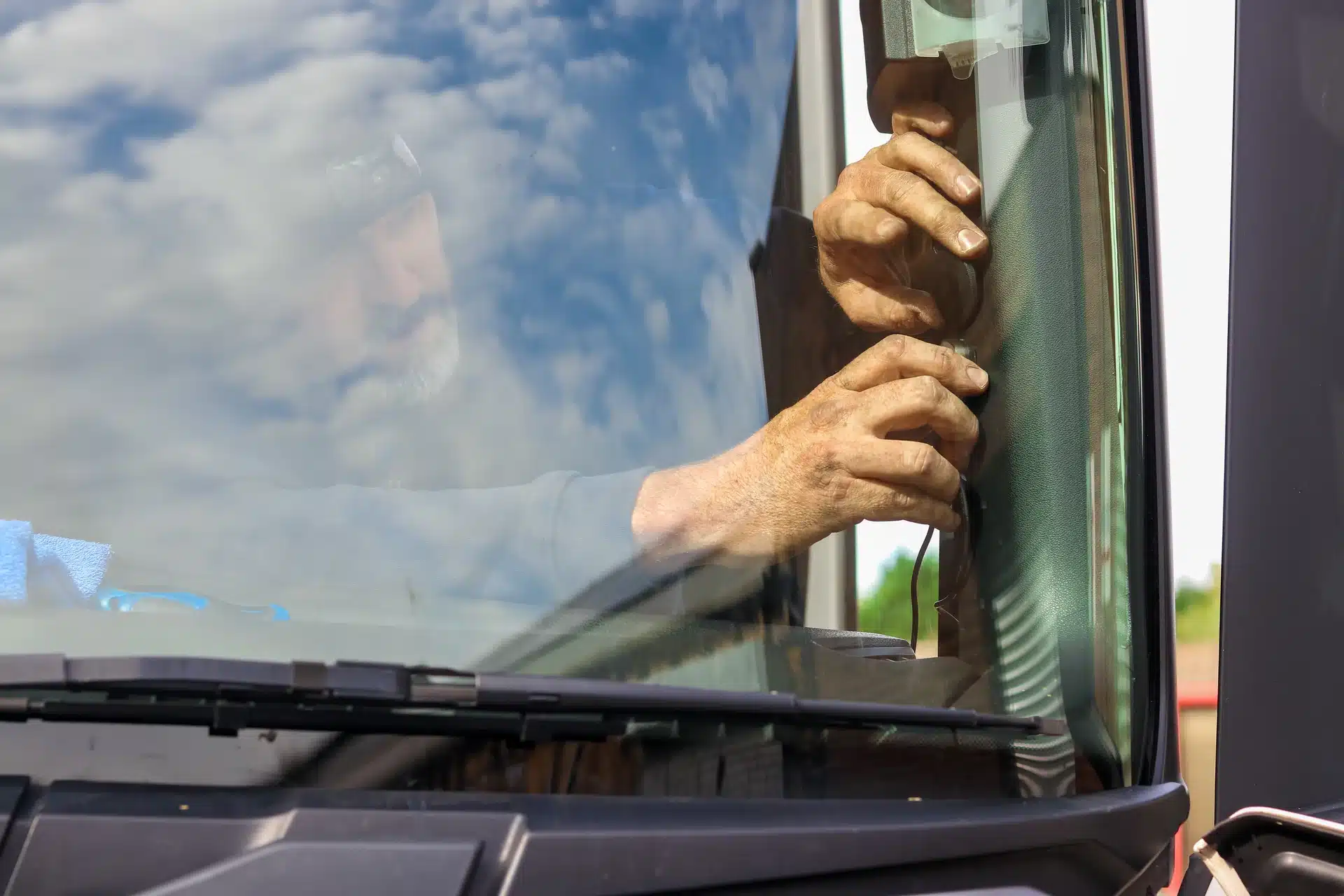
If you have just invested in a telematics device for your van, HGV or company car fleet, the next question is usually the same one. How do you actually fit it? On the surface, it sounds simple, just instruct your drivers or technicians to mount a small box somewhere in the vehicle, run a cable, and plug it in.
In reality, there is a lot more going on inside that small box than people realise, as there is a lot to consider. Factors include where you put it, how you connect it, and how you run the cables and power. All of these can be the difference between accurate data and a unit that quietly malfunctions, sends the wrong data, potentially affecting your insurance premiums, decision-making and operations.
This guide walks you through how a telematics device is fitted properly. It is based on what our engineers do every day across the UK
By the end you will understand the two main fitting methods, where the unit needs to sit, how the wiring should be routed and the mistakes we are regularly called out to fix.
Telematics
Fleet telematics installation company for operators, fleet management companies and telematics suppliers.…
See how we install itThe Two Main Ways to Fit a Telematics Device
There are two main ways to fit a telematics device. It can be hardwired or plug and play.
Hardwiring A Telematics Device
A hardwired unit is wired directly into the vehicle, normally to a permanent live, an ignition feed and an earth. On many commercial vehicles, this is often done via the Fleet Management Systems Interface (FMS connector), the bodybuilder plug or the tachograph. Which connection you use depends on what sort of vehicle you have and what sort of information you want to collect. A tipper, a refrigerated trailer and a passenger car all give you very different data, and the route into that data is different on each one.
Find out more about telematics connections here
Installing A Plug & Play Telematics Device
A plug and play unit is much simpler, it usually goes straight into the OBD port under the dashboard. It is quicker to fit and easier to move between vehicles, which is why a lot of insurance and short-term tracking products use them.
Tips
Why the Mounting Position Matters More Than People Think
Many advanced telematics units now include a gyroscope alongside the accelerometer, which helps detect rotation, roll and finer driving events. This needs to be taken into account when fitting units that include this tech. The easiest way to explain it is that it measures cornering, braking and acceleration, etc. It does that by measuring how much the vehicle moves, using g-force.
Due to these factors, the unit has to sit on a solid and secure surface that will not allow it to move around. If the unit is not secure and it shifts about while the vehicle is being driven, you will get false readings. We often go out to fix exactly this, an install where the kit has been pushed into a glovebox or stuck behind a trim panel, nobody has thought about the implications, and now the data coming back is wrong.
If the unit is loose, it can affect anything that depends on movement data. Driver scorecards are a good example, a driver who is actually careful can end up with a poor score because the unit is rattling around every time they go over a rough surface.
Avoid Heater Vents and Heat Sources
It’s not just install location that you have to take into account; environmental factors like temperature matter too. If you install the unit on or near a heater vent, the temperature can affect the device. In some cases, it can even cause the housing to shrink or move, and now you are back to the same problem – incorrect readings.
Watch Out for Metal Above the Unit
Many telematics devices have built‑in GPS antennas and reflective GPS rather than a separate external antenna. These antennas need a clear view of the sky to work properly. If you hide the device under or behind metal, for example under a crash bar, bracket or metal shelf, the metal can block or reflect the GPS signal. In real terms, that means slow satellite lock, stop‑start tracking on the map and unreliable location data. Always mount the device where it can “see” the sky through glass or plastic and is not directly covered by metal.
A good rule of thumb is to choose somewhere with a clear view to the sky through plastic or glass, on a flat solid surface, away from heat and away from anything metal directly above it.
Routing the Wiring Safely
Once the chosen location has been found, the wiring needs to be routed to its pickup point. That might be a hardwire connection, the OBD port, the FMS connector or the tachograph, depending on the vehicle and the data you want.
The dangers of incorrect installation
When fitting telematics devices, the wiring needs to be run and secured along the route, avoiding any moving parts. That means staying clear of pedal mechanisms, steering columns, hinges and anything else that opens, closes or moves while the vehicle is being driven.
We have seen many installs where this has not been done, and as straightforward as it is, it is more common than people would think, whilst at the same time being genuinely dangerous. A loose cable in the footwell can quite easily damage the vehicle, jam pedals or fall on the driver’s feet and cause an accident. It can also create short circuits, damage the cables and damage the kit itself.
The Hidden Costs of a Bad Telematics Installation
The downsides of a poor installation do not stop at the cable run. When a fit goes wrong, the knock-on effects land on the wider business.
- Deadlines are missed while units are taken out, refitted or replaced.
- Vehicles end up off the road during what should have been productive hours.
- The data you are paying for is unreliable, so you cannot trust scorecards, location reports or fuel data.
- The benefits and the ROI you bought the system for never actually arrive.
- Most of the time, what looks like a fault with the kit can also be a problem with how it is installed.
This is why we always say that telematics installation is more important than the kit itself. You can invest in the most advanced telematics solution on the market, but if it is fitted badly, the platform behind it will only ever be as good as the data flowing into it.
Can You Fit a Telematics Device Yourself?
Honestly, on a single plug-and-play unit in one car, plenty of people are able to fit the units. You plug it into the OBD port, you push it out of the way, you carry on with your day. However, this also depends on how comfortable you are with vehicles and telematics. Depending on the project, most fleet operators find that the moment you have more than one device, different types of vehicles, or anything beyond the most basic kit, its time to seek professional help. Hardwired units, FMS connections, tachograph integrations, driver-facing cameras, multiple sensors and bodybuilder plugs all need someone who understands the wiring, the vehicle and the platform the data is flowing into.
That is why we always recommend that telematics be fitted by an installer. A trained fitter will understand the technical language, work to the specification supplied by the telematics provider and help you get the best results from your installation. They know which connector to use on which vehicle, where the unit needs to sit and how to route the wiring so the vehicle stays safe and the data stays clean.
When to Bring in a Professional Telematics Installer
The best way to handle this is to get a telematics installation company to support you with fitting and integrating your telematics solutions. That is especially true if you are fitting more than one vehicle, you have a business that suppliers telematics but don’t have engineers, you have multiple vehicle types or you are running advanced telematics solutions across the fleet.
Even if you have plug and play telematics, it is still sometimes the best option to contact a telematics installer. Vehicles can be complex, connectors are not always where the manual says they are. You are good at your job and not installing hardware; therefore, you can leave the installers to focus on installations while you focus on what you do best.
How Nationwide Fleet Installations Fit Telematics Devices
At Nationwide Fleet Installations, we fit telematics devices across the UK every working day. Our mobile engineers are based across the country, so we can come to your depot, your driver’s home address or wherever the vehicle happens to be.

We work to the specifications supplied by the major telematics providers, we keep our engineers trained on new telematics solutions, vehicle types and connectors, and we manage the whole rollout from booking through to sign off.
If you are rolling out telematics across a fleet, or you have inherited a fleet where the kit was fitted in a hurry, we can help. Get in touch with our team to talk through your fleet, your kit and your timescales, and we will put a plan together that gets your vehicles fitted properly and back on the road with as little disruption as possible.
Frequently Asked Questions

Written by
James Pearson
James Pearson is the Field Operations Manager at Nationwide Fleet Installations, a trusted vehicle technology installation provider headquartered in the North West and operating across the UK. With a career that began as an auto electrical engineer, James brings over 15 years of hands-on experience to the role, specialising in the installation of cameras, sensors, trackers, and IoT solutions for fleets. He helps fleet operators and vehicle technology providers ensure their technology is professionally installed to the highest standards. Having progressed in the industry through roles such as field technician, to Area Manager and Quality Assurance Manager, James is known for his leadership skills and commitment to developing talent. His colleagues often praise his ability to mentor and coach, helping team members learn and grow on the job.
Telematics
Fleet telematics installation company for operators, fleet management companies and telematics suppliers.…
See how we install itGet In Touch
We provide fleet operators and equipment providers alike with a nationwide installation service for telematics equipment, safety systems, and more. Call us on 0161 786 6600 or email the team at info@nationwidefleetinstallations.com to see what we can do for you.