How Video Quality Affects Fleet Dash Cam ROI
Investing in fleet dash cams is the right thing to do for fleet operators, but the returns depend heavily on what your cameras can actually see. Blurry footage, poor night vision, and inadequate frame rates can render recordings useless at exactly the moment you need them most: when a dispute arises, an incident occurs, or an insurance claim lands on your desk. In this post, we examine how video quality directly impacts the value you get from your dash cam investment, what specifications to look for, and why professional installation matters as much as the technology itself.
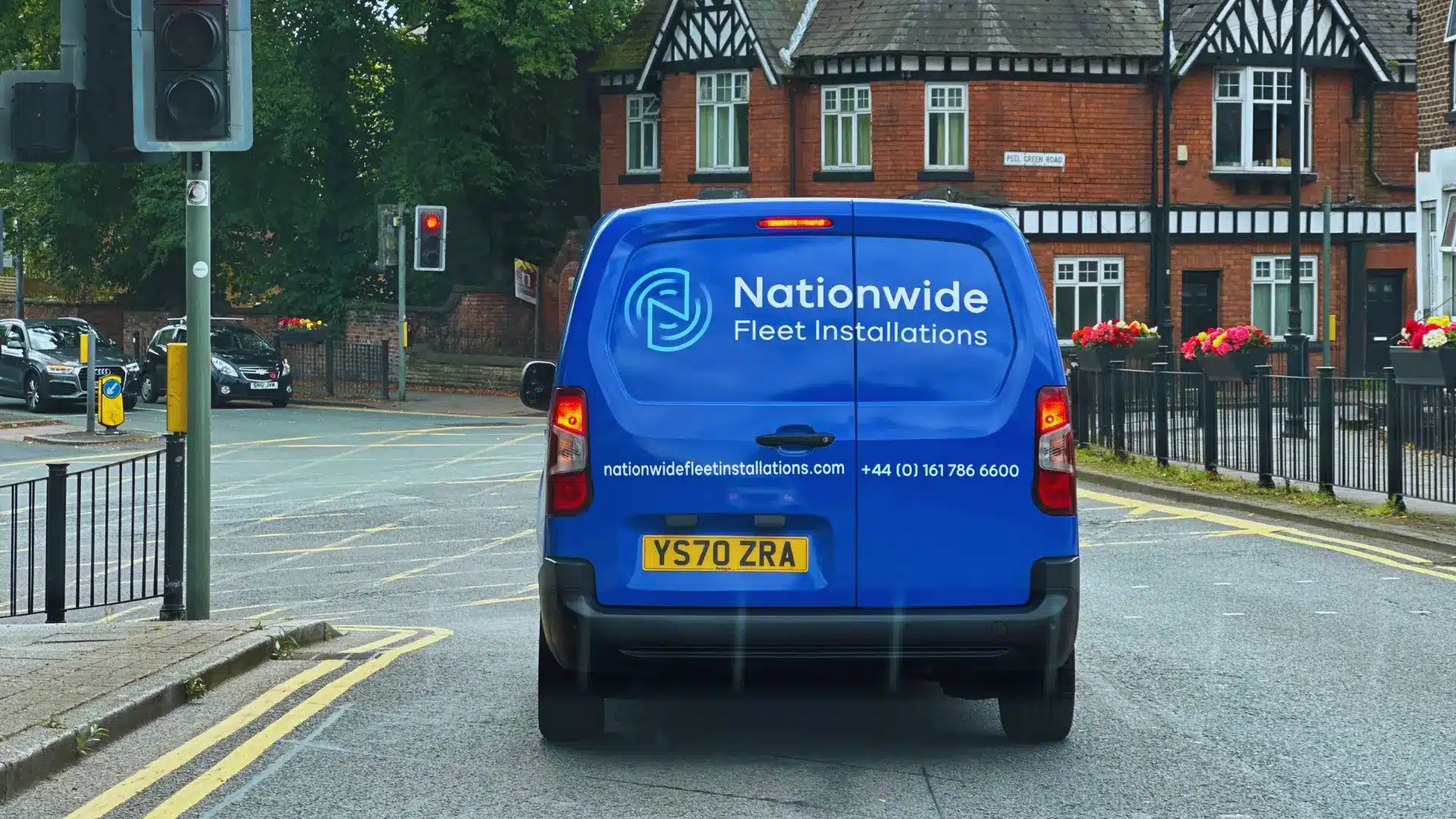
Poor video quality can undermine the return on investment from fleet dash cams, even when the technology is in place. In fleet management, return on investment is important because it proves the financial value of any fleet technology investment.
In this series of posts, we will discuss the key critical features of vehicle cameras and video for commercial vehicles that are vital if you want to achieve real ROI from fleet technology, telematics, cameras, fleet dash cams and video telematics systems.
Fleet managers, transport managers, and operators already have a lot to manage. They rely on a range of fleet technologies to do their jobs day to day, ensuring operations are running efficiently and safely, and that all management controls are in place. As telematics installers, we know first hand that technology plays a major role in making this possible.
Now imagine this scenario.
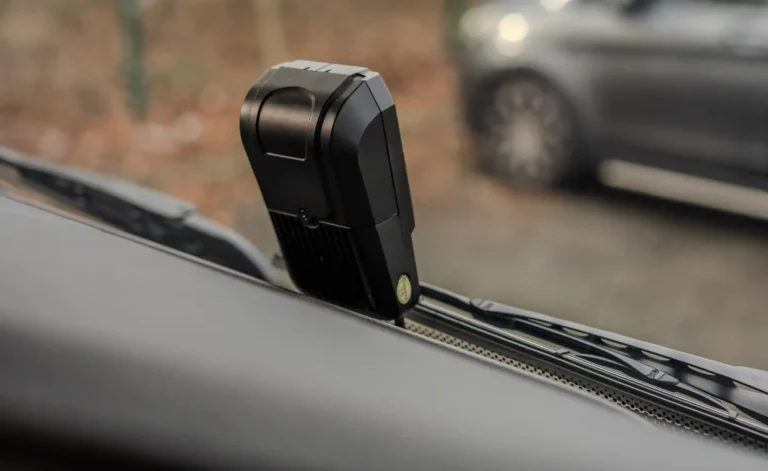
Fleet Dash Cams
Business and fleet dash camera systems for commercial vehicles in the UK. Helping operators and providers. Get your…
See how we install itOne of your commercial vehicles is involved in an incident. Fortunately, no one is seriously hurt. You are confident your camera or telematics system has recorded the event. You expect the footage to help prove liability, exonerate your driver, and allow the insurance claim to be processed quickly.
You log in to retrieve the footage, only to find that it is grainy. Number plates are not visible. There is not enough detail to clearly see what happened. The footage is simply not usable.
At that point, the disappointment is obvious. The system you invested in has failed at the moment you needed it most, and the return on investment you expected is gone.
Video quality is important
This situation happens more often than many operators realise. When you trace the steps back to the original telematics purchase and the buyer journey, the issue often comes down to choosing a system without fully considering the feature set. In many cases, the critical feature that gets overlooked is picture quality.
Yet it is this exact detail that some insurers and fleet technology providers point to when explaining how fleets are able to defend against fraudulent or disputed claims.
What operators need to consider when investing in cameras and video
Resolution
Resolution is key when investing in camera systems for your fleet. It can be the difference between usable footage and grainy unusable footage, which ultimately means wasted investment. Resolution directly affects the level of detail in the image, including clarity and sharpness, all of which are essential in a fleet environment.
When looking at video and cameras for fleets, HD video is important. HD video starts from 720p, although for the best results fleet managers should be looking at 1080p resolution. Video quality can go all the way up to 4K, giving fleet managers even greater detail when reviewing footage.
Night vision
For commercial vehicles, operating outside normal daylight hours is common. Even fleets that mainly operate during the day still face dark mornings and early evenings, particularly during winter months. Because of this, camera technology must include night vision features so that the system remains effective at all times.
What is night vision?
Night vision refers to any feature set or specification that allows camera systems to capture usable footage in darkness or low-light conditions, such as wet weather. You may hear these technologies referred to as high dynamic range (HDR), active illumination, or night vision.
With these features in place, you can be confident that your camera system will perform as expected at all times. We understand that fleet technology can be difficult to decipher, which is why it is always important to ask your provider what options are available specifically for low-light conditions.
Installation is also important
Installation can also have a big impact on the quality and usefulness of the video you get from your system. When a road-facing camera is positioned too low or too high, it can miss key areas of the road, leading to incomplete footage and incorrect alerts.
For driver-facing cameras, poor positioning means the camera may not focus on the driver’s face or critical areas inside the cab, which makes the system far less effective.
Many AI-enabled cameras also need to be correctly calibrated after installation to ensure that alerts and event detection work as intended. These are just some of the value-added services you get when you use a professional installer.
Why you need HD cameras and dash cams for commercial vehicles
HD cameras are available across a variety of systems, including video telematics, CCTV recording cameras, and fleet dash cams. These systems provide better visibility, clearer evidence, improved driver protection, and more reliable outcomes when footage is needed.
There are many other factors involved in getting a true picture of your fleet and ensuring you have maximum visibility and coverage. In the next part of this series, we will cover camera channels and explain why they are important for a complete solution.
To conclude, a high-resolution fleet camera system coupled with telematics data on speeding, idling and harsh events, helps you:
- Reduce the risk of collisions and crash-related claims through better visibility and driver coaching
- Reduce fuel and maintenance costs by identifying harsh driving, idling and inefficient routes through clear, actionable footage that supports accurate AI detection of risky driving and incident review.
- Improve driver and fleet productivity with real-time insight into what’s happening on the road
- Strengthen your position with insurers and, over time, support lower premiums and fewer disputed claims
These are just some of the returns on investment you can achieve when a fleet camera solution is specified, installed and managed correctly across your vehicles
Contact Us
If you need installation support for high-resolution commercial vehicle camera systems or HD dash cams, Nationwide Fleet Installations can help.

Written by
James Pearson
James Pearson is the Field Operations Manager at Nationwide Fleet Installations, a trusted vehicle technology installation provider headquartered in the North West and operating across the UK. With a career that began as an auto electrical engineer, James brings over 15 years of hands-on experience to the role, specialising in the installation of cameras, sensors, trackers, and IoT solutions for fleets. He helps fleet operators and vehicle technology providers ensure their technology is professionally installed to the highest standards. Having progressed in the industry through roles such as field technician, to Area Manager and Quality Assurance Manager, James is known for his leadership skills and commitment to developing talent. His colleagues often praise his ability to mentor and coach, helping team members learn and grow on the job.
Fleet Dash Cams
Business and fleet dash camera systems for commercial vehicles in the UK. Helping operators and providers. Get your…
See how we install itGet In Touch
We provide fleet operators and equipment providers alike with a nationwide installation service for telematics equipment, safety systems, and more. Call us on 0161 786 6600 or email the team at info@nationwidefleetinstallations.com to see what we can do for you.