

DVS Map: Check If Your HGV Route Enters the London DVS Zone
Not sure if your HGV route falls inside the DVS zone? Here’s a quick guide to where the rules apply.
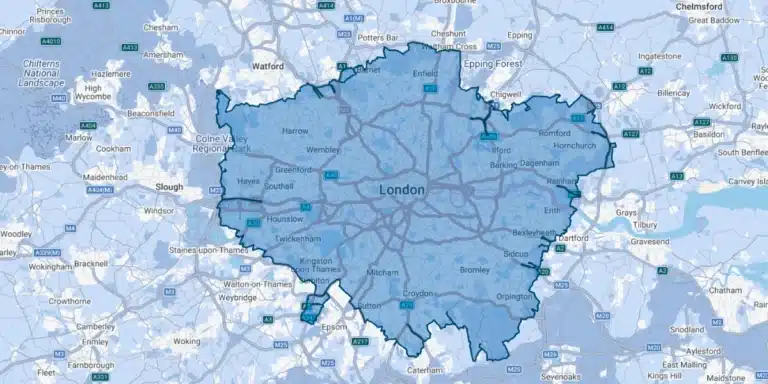
Not sure if your HGV route falls inside the DVS zone? Here’s a quick guide to where the rules apply.
All heavy goods vehicles over 12 tonnes gross vehicle weight (GVW) entering or operating in Greater London (all 32 London boroughs and the City of London) must hold a valid HGV Safety Permit under Transport for London’s Direct Vision Standard (DVS), unless they fall into a specific exempt vehicle category.

Fuel costs can account for up to 40% of your fleet’s total cost of ownership, yet one of the biggest drains on that budget is happening when your vehicles aren’t even moving. Idling quietly burns through fuel, accelerates engine wear, and contributes to emissions that are increasingly under regulatory scrutiny. In this post, we break down the real cost of idling, why it’s so easy to overlook, and how the right telematics setup, professionally installed across your fleet, gives you the data and alerts to tackle it head-on.
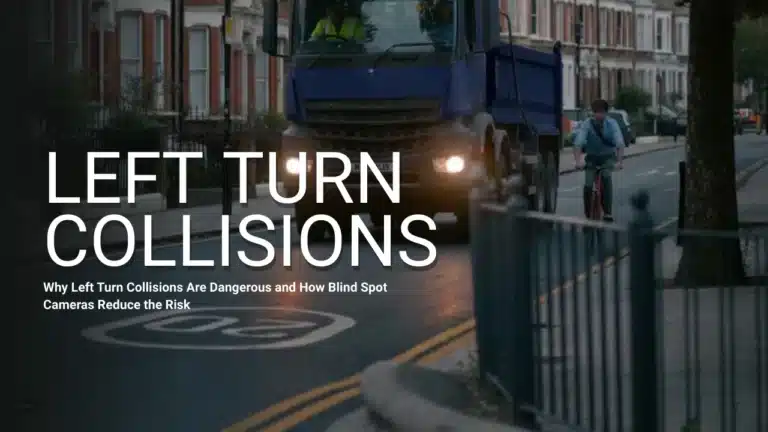
Left turn collisions involving HGVs are among the most devastating incidents on UK roads, with cyclists and pedestrians bearing the worst consequences. Yet the contributing factors, restricted visibility, driver blind spots, and the sheer size of large commercial vehicles, are well understood and, crucially, addressable. This post explores why the danger persists, what the data tells us about the scale of the problem, and how properly installed blind spot camera systems are proving to be one of the most effective tools fleet operators have to protect vulnerable road users.
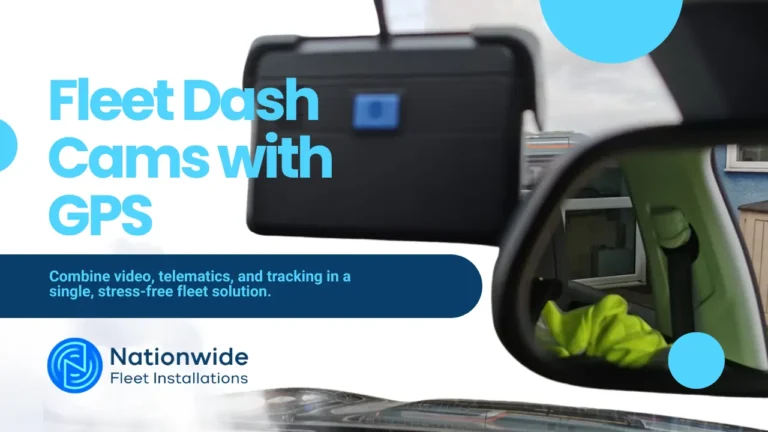
Blog Excerpt: A dash cam alone tells you what happened. A dash cam with GPS tells you what happened, where, when, and at what speed. For fleet operators managing drivers across multiple sites and routes, that combination is invaluable, from verifying driver reports to resolving insurance disputes and optimising route efficiency. This post covers what to look for in a GPS-integrated dash cam solution, the practical benefits for different fleet types, and why a proper installation by experienced engineers is the foundation of getting the most from your investment.

In this post, we explore the practical benefits that fleet operators and technology providers are experiencing, from faster incident resolution and improved driver coaching to stronger insurance claims and better compliance outcomes. We also cover why correct installation by an experienced partner is essential to making the most of your video telematics investment.
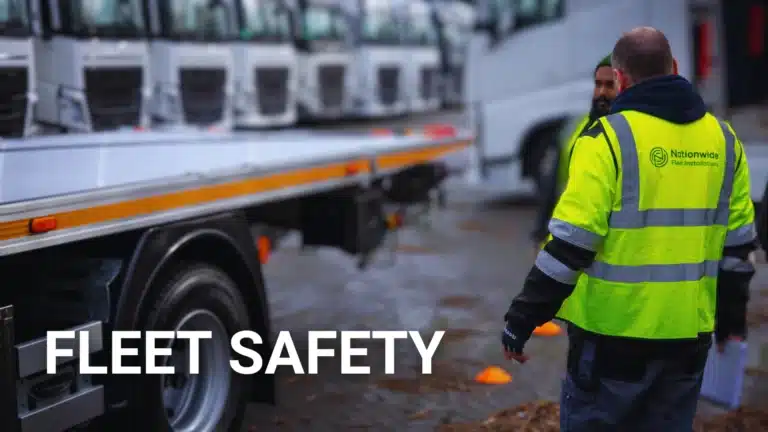
Fleet safety isn’t just about fitting the right measures and fleet equipment; it’s about ensuring that equipment actually works when it’s needed most. Incorrectly installed cameras, telematics units, and safety systems don’t just underperform; they can create false confidence, cause electrical issues, increase the risk of accidents, and leave your business exposed. In this guide, we cover the foundations of fleet vehicle safety, the technology available to protect your drivers and other road users, and why the quality of your installation partner is just as important as the quality of the kit you choose.
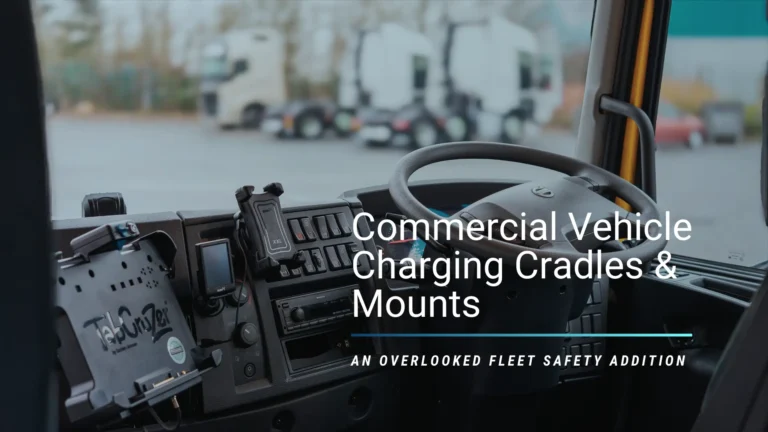
When fleet managers think about in-cab technology, cameras and telematics tend to dominate the conversation. But the way your drivers’ devices are mounted and charged while on the road has a direct impact on safety, compliance, and driver wellbeing. A poorly positioned phone holder or an unreliable charging solution creates distraction, frustration, and in some cases, legal exposure. This post makes the case for taking charging cradles and fleet mounts seriously and explains how a professional installation approach ensures every device in your fleet stays secure, accessible, and fully powered.
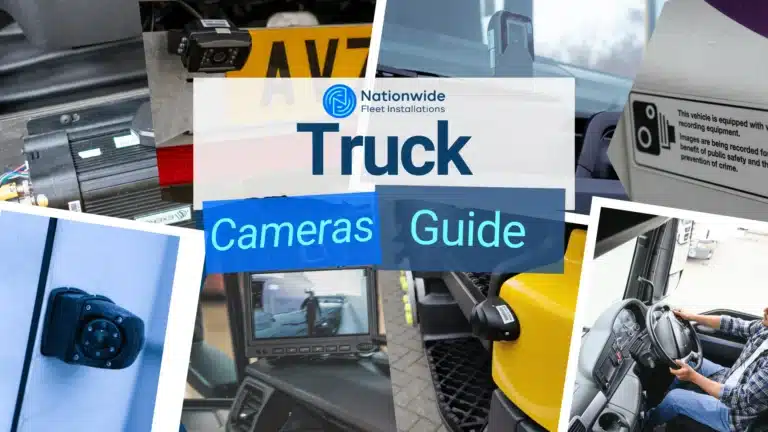
This complete guide helps fleet operators and equipment providers understand the options available, the compliance requirements to be aware of, and why the installation itself is what determines whether your cameras perform as intended.

Telematics is one of the most transformative technologies available to fleet operators but for many businesses, it remains a vague concept they know they should be using without fully understanding how it works. In this post, we break it down clearly: what a telematics system actually does, the data it collects, how that information reaches your dashboard, and what you can do with it. Whether you’re evaluating your first telematics solution or trying to get more from an existing setup, understanding the fundamentals helps you make smarter decisions, starting with choosing the right installation partner.